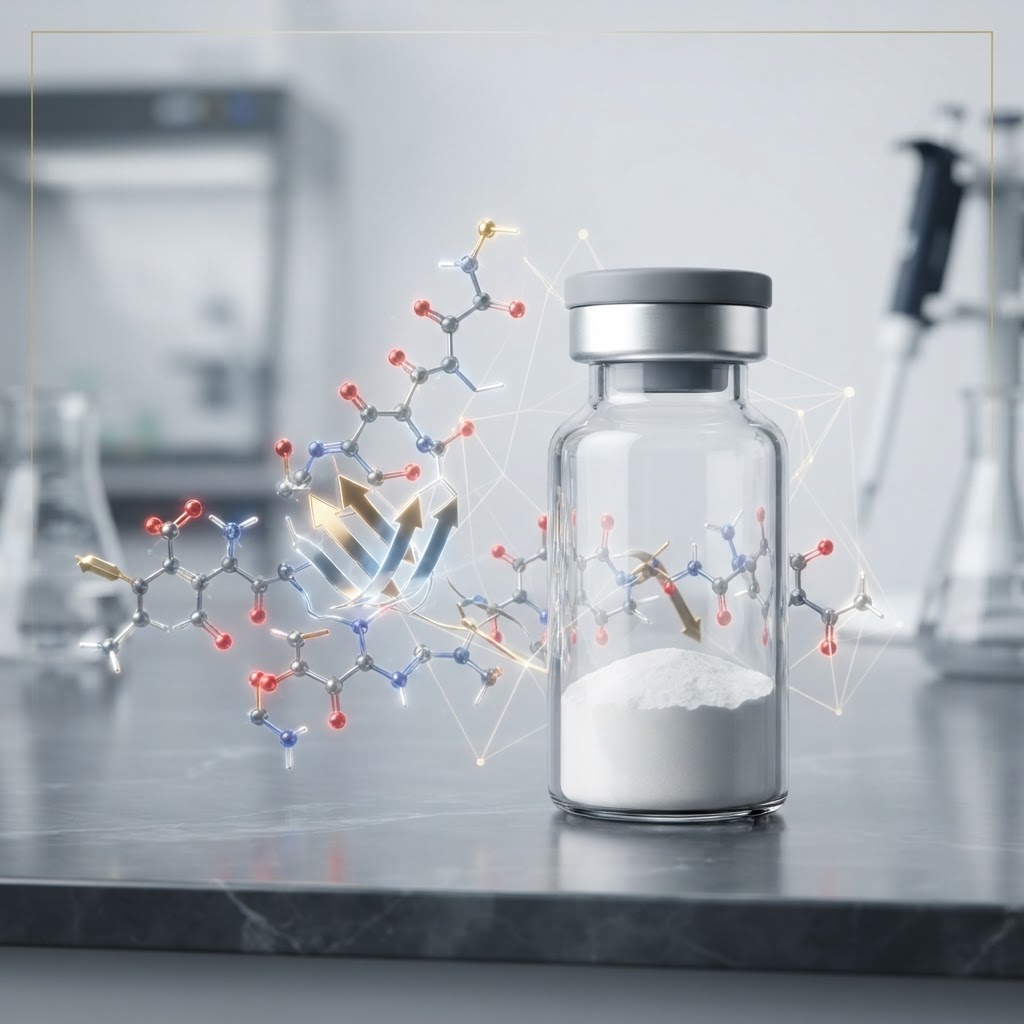
Understanding the Role of Research Peptides in Modern Science
Peptides are fundamental tools in contemporary biological and biochemical research. As short chains of amino acids, these compounds serve as essential building blocks for studying cell signaling, receptor binding, and metabolic pathways. For laboratories across Canada, sourcing high-quality materials is the cornerstone of reproducible data. When searching for peptides for sale, researchers must prioritize suppliers that provide transparent, batch-specific documentation to ensure the integrity of their experimental models.
It is important to note that all products supplied by Healthy Peps are intended for in vitro laboratory research only and are not intended for human or veterinary consumption. These compounds are not approved by Health Canada or the FDA for medical, diagnostic, or therapeutic use.
The Importance of Purity in Peptide Research
In the context of peptide research, purity is not merely a metric; it is a requirement for scientific validity. Impurities in a sample can lead to confounding variables, potentially skewing results in sensitive assays such as enzyme substrate investigations or quantitative binding studies. High-quality research peptides in Canada are typically synthesized using solid-phase or solution-phase methods and must be verified through rigorous analytical techniques.
Analytical Verification: HPLC and Mass Spectrometry
The gold standard for verifying peptide quality involves two primary analytical methods:
- High-Performance Liquid Chromatography (HPLC): Used to separate the target peptide from potential synthesis byproducts, providing a percentage-based purity score.
- Mass Spectrometry (MS): Confirms the molecular weight and identity of the peptide, ensuring the sequence matches the intended research compound.
Researchers should always look for suppliers who provide a Certificate of Analysis (COA) that includes both HPLC chromatograms and MS data for the specific batch being purchased.
Comparison of Quality Standards
When evaluating sources for research materials, it is helpful to understand the difference between various grades of compounds. The following table outlines the expectations for laboratory-grade materials.
| Feature | Research-Grade Standard | Why It Matters |
|---|---|---|
| Purity Level | ≥99% | Minimizes interference in sensitive assays. |
| Verification | Third-Party HPLC/MS | Provides unbiased confirmation of identity. |
| Documentation | Batch-Specific COA | Ensures traceability of the specific vial. |
| Storage | Lyophilized/Cold Chain | Maintains biological stability and shelf life. |
Navigating the Canadian Research Peptide Market
For Canadian institutions and independent laboratories, sourcing materials domestically offers significant advantages, including faster shipping times and simplified logistics. When you search for peptides for sale within Canada, you benefit from a supply chain that is often more responsive to local research needs. Reliable suppliers maintain strict manufacturing protocols and partner with independent laboratories to ensure that every batch meets the high standards required for academic and private sector investigation.
Whether you are studying BPC-157 for tissue regeneration models or exploring MOTS-C in mitochondrial signaling, the consistency of your results depends on the quality of the starting material. Always verify that your supplier provides a COA that links directly to the lot number on your vial.
Best Practices for Laboratory Handling
Once your research materials arrive, proper handling is essential to maintain their integrity. Lyophilized peptides are generally stable, but they are sensitive to environmental factors. To ensure long-term viability:
- Storage: Keep lyophilized powders in a cool, dry environment. For long-term storage, many researchers prefer 2°C-8°C or lower, depending on the specific compound's stability profile.
- Reconstitution: Use appropriate sterile buffers as dictated by your specific experimental protocol.
- Documentation: Maintain a log of batch numbers and corresponding COAs for all materials used in your experiments to support future reproducibility.
Summary
The integrity of your scientific findings is directly linked to the quality of the reagents you use. By prioritizing suppliers that offer ≥99% purity, third-party batch testing, and transparent documentation, you ensure that your research remains robust and reproducible. As a Canadian supplier, Healthy Peps is committed to supporting the scientific community with high-purity compounds for legitimate laboratory investigation.
Frequently Asked Questions
Are your peptides intended for human or veterinary use?
No. All peptides supplied by Healthy Peps are strictly for in vitro laboratory research purposes only. They are not intended for human or animal consumption, nor are they approved for medical, diagnostic, or therapeutic use.
How do you verify the purity of your peptides?
We ensure quality through rigorous third-party testing. Every batch undergoes HPLC and Mass Spectrometry analysis to confirm that purity levels meet or exceed 99%. We provide access to batch-specific Certificates of Analysis (COA) to ensure full transparency.
Do I need a license to purchase research peptides in Canada?
Generally, no special license is required to purchase peptides for legitimate laboratory research purposes in Canada. However, the buyer is responsible for ensuring that the use of these materials complies with all applicable institutional and regional regulations.
How should I store my research peptides upon arrival?
Lyophilized peptides should be stored in a cool, dry environment. For long-term stability, we recommend keeping them at 2°C-8°C in a controlled laboratory setting to prevent degradation.
What is the difference between research-grade and pharmaceutical-grade peptides?
Research-grade peptides are manufactured specifically for scientific investigation and laboratory use. They are not subject to the same regulatory oversight as pharmaceutical products, which are intended for human clinical use and must follow strict FDA or Health Canada manufacturing monographs.