Understanding Retatrutide: A New Frontier in Peptide Research
In the rapidly evolving landscape of metabolic science, retatrutide has emerged as a subject of significant interest. As a unimolecular retatrutide triagonist, this peptide represents a sophisticated approach to polypharmacology, designed to interact simultaneously with three distinct hormone receptors. For researchers in Canada and beyond, understanding the structural and functional nuances of this compound is essential for advancing current metabolic studies.
At Healthy Peps, we provide high-purity, laboratory-grade peptides to support the scientific community. Please note that all products listed on our site are for in vitro laboratory research only and are not intended for human consumption.
The Retatrutide Mechanism: A Triple-Receptor Approach
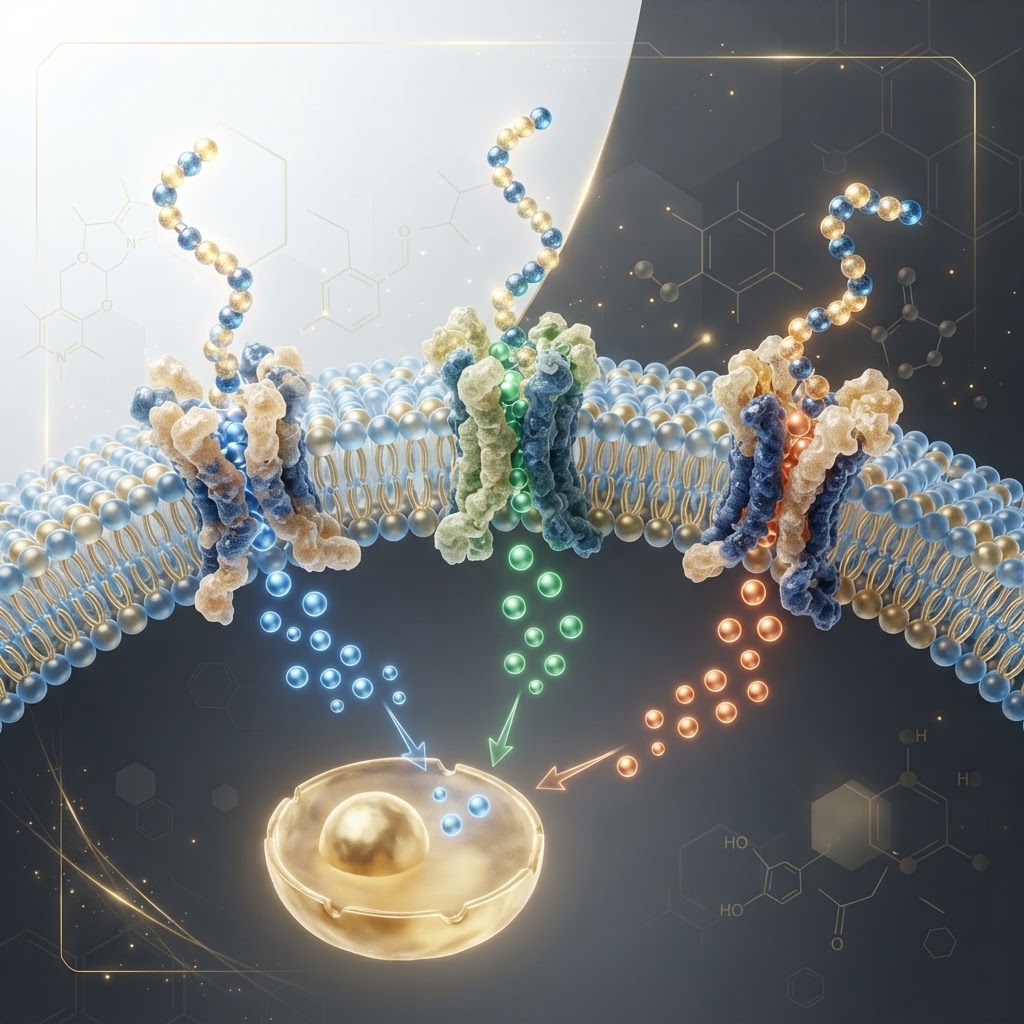
The primary scientific interest in retatrutide lies in its unique ability to act as a triple agonist. Unlike earlier generations of peptides that targeted single or dual receptors, retatrutide is engineered to activate the glucagon-like peptide-1 receptor (GLP-1R), the glucose-dependent insulinotropic polypeptide receptor (GIPR), and the glucagon receptor (GCGR). This multi-target engagement is often referred to in literature as "triple G" agonism.
Receptor Synergy
Research indicates that the simultaneous activation of these three receptors may offer a more comprehensive modulation of metabolic pathways than targeting them individually. By binding to these receptors, the molecule influences various physiological processes, including glucose homeostasis and lipid metabolism. Structural studies have provided insights into how this single molecule achieves such potent activation across three distinct receptor types, highlighting the precision of its molecular design.
Pharmacological Profile and Research Observations
Current retatrutide research in Canada and internationally focuses on the compound's pharmacokinetics and its potential to influence metabolic markers. Clinical and preclinical data suggest that the molecule exhibits a dose-proportional response, with a half-life that supports once-weekly administration in experimental models.
| Receptor Target | Primary Function |
|---|---|
| GLP-1R | Glucose regulation and satiety signaling |
| GIPR | Insulinotropic effects and lipid metabolism |
| GCGR | Energy expenditure and hepatic glucose output |
Observations from laboratory studies have shown that retatrutide can significantly impact body weight and glycemic control in experimental models. Researchers are particularly interested in how the inclusion of the glucagon receptor component may enhance energy expenditure, potentially offering a distinct advantage over dual-agonist therapies.
Quality and Compliance in Peptide Research
For researchers sourcing materials for their studies, purity and documentation are paramount. At Healthy Peps, we understand the rigorous standards required for high-quality retatrutide research. We provide comprehensive batch documentation to ensure that your experimental results are based on reliable, high-purity compounds. Our commitment to the Canadian research community includes streamlined shipping and transparent pricing, ensuring that your laboratory has consistent access to the tools necessary for breakthrough discoveries.
Summary of Research Potential
Retatrutide represents a significant advancement in the field of peptide-based metabolic research. By leveraging the synergy of GLP-1, GIP, and glucagon receptor activation, it offers a unique platform for investigating complex metabolic pathways. As research continues to unfold, the scientific community remains focused on understanding the long-term implications of this triple-agonist approach. For those looking to begin or continue their studies, our retatrutide product page provides detailed specifications for your laboratory needs.
Frequently Asked Questions
What is retatrutide?
Retatrutide is a synthetic peptide that functions as a triple agonist, meaning it is designed to activate three specific receptors: GLP-1R, GIPR, and GCGR. It is currently a subject of intense investigation in metabolic research.
How does the retatrutide mechanism differ from other peptides?
While many peptides target only one or two receptors, retatrutide's triple-agonist design allows it to engage GLP-1, GIP, and glucagon receptors simultaneously, potentially offering a more comprehensive impact on metabolic pathways.
Is retatrutide available for human use?
No. Retatrutide is strictly for in vitro laboratory research purposes. It is not approved for human consumption, and any claims suggesting otherwise are not supported by regulatory bodies.
Why is purity important in retatrutide research?
High-purity peptides (≥99%) are essential to ensure that experimental results are accurate and reproducible. Impurities can introduce variables that skew data, making it difficult to draw valid scientific conclusions.
How can I ensure the quality of the peptides I purchase?
Always source your research materials from reputable suppliers who provide batch-specific certificates of analysis (CoA) and maintain high standards for purity and handling, such as those offered by Healthy Peps.