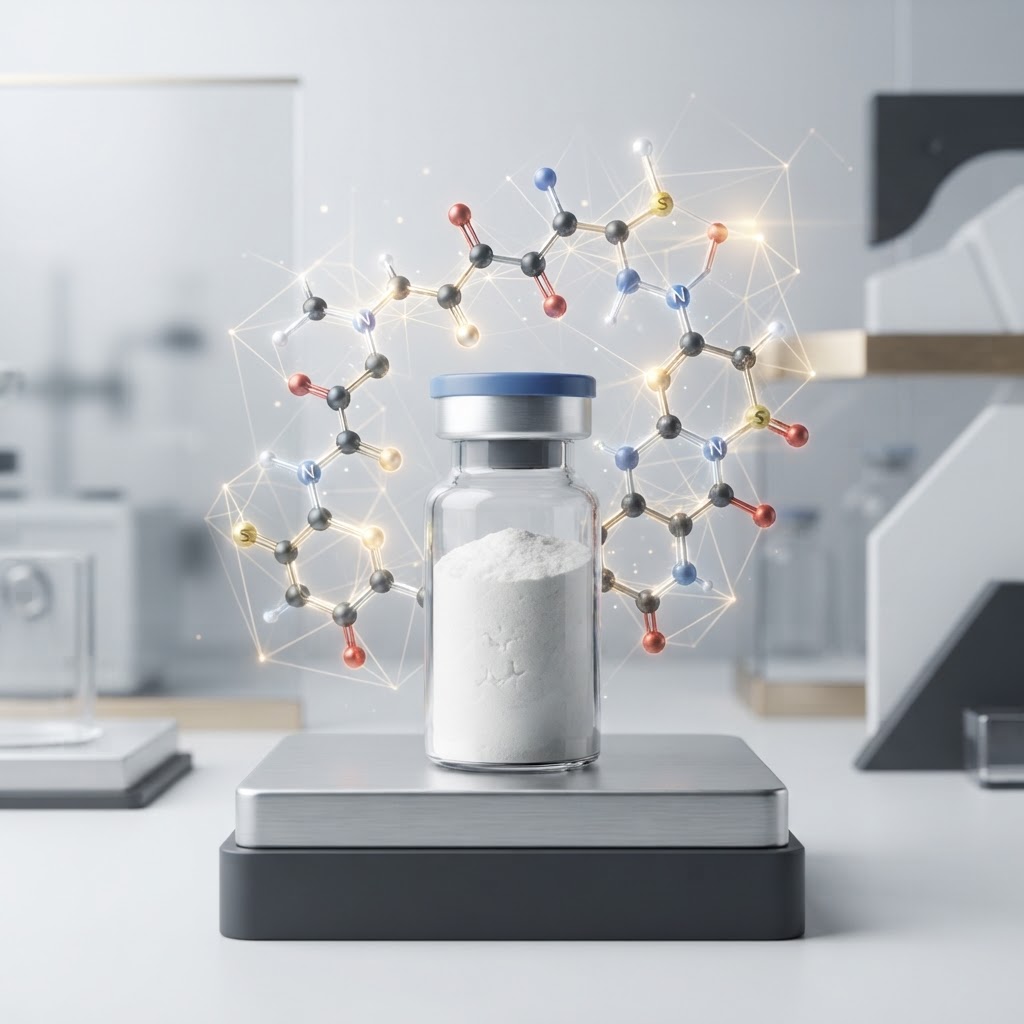
Understanding Peptide Research Chemicals Online
The landscape for sourcing peptide research chemicals online in Canada has evolved significantly, with an increasing emphasis on analytical transparency and rigorous laboratory standards. For researchers, the primary objective is to secure high-purity reagents that ensure reproducibility in in vitro and animal model studies. As a Canadian supplier, Healthy Peps recognizes that the integrity of your research depends entirely on the quality of the materials used, which is why we prioritize batch-specific documentation and independent verification.
It is critical to note that all products supplied by Healthy Peps are intended strictly for in vitro laboratory research only and are not intended for human or veterinary consumption. These compounds are not drugs, supplements, or cosmetics, and they have not been evaluated by Health Canada for safety or efficacy in human applications.
The Importance of Analytical Purity
When searching for peptide research chemicals online, the term "purity" is often used, but it requires technical nuance. High-Performance Liquid Chromatography (HPLC) is the industry standard for determining the chemical purity of a peptide. A purity level of ≥99% is generally considered the benchmark for high-quality research reagents, as it minimizes the presence of truncated sequences or synthesis byproducts that could interfere with experimental outcomes.
HPLC vs. Mass Spectrometry
While HPLC measures the relative purity of the peptide, Mass Spectrometry (MS) is used to confirm the identity of the molecule by verifying its molecular weight. A reliable supplier should provide both: an HPLC chromatogram to demonstrate purity and an MS report to confirm the sequence identity. For researchers, these documents are not merely "nice-to-haves"; they are essential components of a robust experimental record.
| Metric | Purpose | Research Standard |
|---|---|---|
| HPLC Purity | Quantifies chemical purity | ≥99% |
| Mass Spectrometry | Confirms molecular identity | Matches theoretical mass |
| Endotoxin Levels | Ensures biological safety | <10 EU/mg |
Regulatory Context for Canadian Laboratories
In Canada, the regulatory framework governing peptides is clear: products intended for human therapeutic use must be authorized by Health Canada and possess a Drug Identification Number (DIN). Research peptides, by contrast, are supplied as chemical reagents. The "Research Use Only" label does not grant legal status for human use; rather, it defines the product's intended application within a controlled laboratory environment.
Researchers must ensure that their procurement practices align with the Food and Drugs Act. When sourcing from a Canadian supplier, you are engaging in a transaction for laboratory-grade chemicals. It is the responsibility of the purchasing institution or lead researcher to ensure that these materials are handled, stored, and utilized in accordance with institutional biosafety protocols and applicable federal regulations.
Best Practices for Storage and Handling
Peptides are inherently sensitive molecules. Their stability is dictated by their primary structure and environmental factors such as temperature, humidity, and light exposure. To maintain the integrity of your research peptides:
- Lyophilized Storage: Keep vials in a cool, dry place, ideally at -20°C or -80°C for long-term storage.
- Reconstitution: Use sterile, bacteriostatic water or appropriate buffers as dictated by your specific experimental protocol.
- Avoid Freeze-Thaw Cycles: Repeated temperature fluctuations can lead to peptide degradation and loss of potency.
For those conducting studies on tissue repair or metabolic pathways, ensuring that your BPC-157 or other specialized compounds remain stable throughout the duration of the study is paramount to achieving consistent data.
Advancing Scientific Inquiry
The field of peptide research continues to expand, with ongoing investigations into growth hormone secretagogues, metabolic regulators, and tissue-specific signaling molecules. Whether your laboratory is focused on metabolic research or exploring the mechanisms of tissue repair, the quality of your starting material is the foundation of your findings. By choosing a supplier that provides transparent, third-party verified documentation, you ensure that your research is built on a solid, reproducible basis.
Healthy Peps is committed to supporting the Canadian research community by providing high-purity peptides with the documentation necessary for rigorous scientific inquiry. We encourage all researchers to review our batch-specific Certificates of Analysis (COA) and maintain strict adherence to laboratory safety standards.
Frequently Asked Questions
Are research peptides legal to buy in Canada?
Yes, research peptides are legal to purchase as chemical reagents for laboratory use. However, they are not authorized for human consumption. The Food and Drugs Act regulates representations made about these products; they must be sold and used strictly for scientific research.
What does "≥99% purity" mean for my research?
A purity of ≥99% indicates that the peptide preparation is highly refined, containing minimal impurities or truncated sequences. This is essential for quantitative binding studies and other sensitive assays where contaminants could skew results.
Do I need a license to purchase research peptides?
There is no specific "peptide license" for individuals in Canada. However, procurement is typically conducted through institutional or professional laboratory accounts. The responsibility for the lawful, research-only handling of these chemicals rests with the buyer.
How should I verify the quality of a supplier?
Always look for suppliers that provide independent, third-party Certificates of Analysis (COA) for every batch. These documents should include both HPLC purity data and Mass Spectrometry identity confirmation.
Can I use these peptides for human or veterinary applications?
No. All products sold as research chemicals are strictly for in vitro or laboratory research use. They are not intended for human or veterinary diagnosis, treatment, or prevention of any disease.