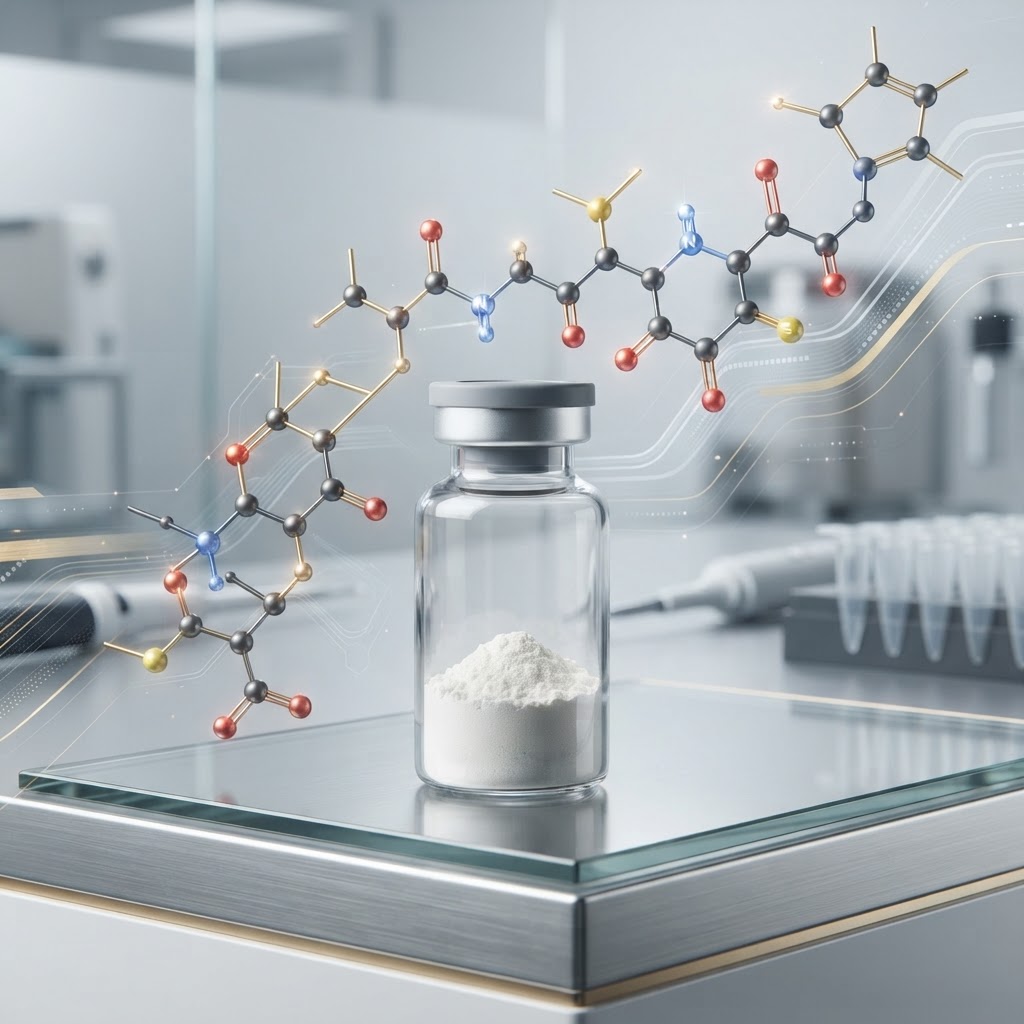
Understanding the Landscape of Peptide Research in Canada
For researchers and laboratory professionals, the ability to order peptides online in Canada has become increasingly streamlined. However, the ease of access necessitates a rigorous approach to supplier evaluation. In the context of scientific inquiry, a peptide is not a supplement or a therapeutic agent; it is a synthetic, short-chain amino acid sequence utilized as a reference standard for in vitro assays, receptor-binding studies, and cellular analysis. All products supplied by Healthy Peps are intended for in vitro laboratory research only and are not intended for human consumption.
When sourcing materials, the primary objective is to ensure the integrity of your experimental data. This begins with the quality of the compound itself. Reputable Canadian suppliers prioritize transparency, providing batch-specific documentation that allows researchers to verify the identity and purity of their materials before they are even utilized in a bench-top setting.
The Importance of Batch-Level Documentation
The hallmark of a professional research-grade supplier is the availability of a Certificate of Analysis (COA). A COA is not merely a generic document; it is a specific report that links a unique batch or lot number to the physical vial you receive. When you order peptides online, you should expect to see two primary analytical methods represented on the COA:
- HPLC (High-Performance Liquid Chromatography): This determines the chemical purity of the peptide, ensuring that the substance is free from significant degradation products or synthesis byproducts.
- Mass Spectrometry (MS): This confirms the molecular identity of the peptide, verifying that the sequence synthesized matches the intended target.
If a supplier cannot provide a COA that matches the specific lot number of your order, or if they provide a generic document that is reused across multiple batches, it is a significant red flag. Reliable suppliers in Canada, such as those adhering to high-quality standards, ensure that these documents are accessible for review, allowing for full traceability in your research workflow.
Evaluating Purity Standards for Research Peptides
In the field of peptide research, purity is the most critical variable. While industry standards vary, the gold standard for laboratory-grade compounds is a purity level of ≥99%. Lower purity levels may introduce contaminants that can skew experimental results, particularly in sensitive assays like receptor-binding studies or metabolic profiling.
| Feature | Research-Grade Standard | Why It Matters |
|---|---|---|
| Purity | ≥99% HPLC | Reduces experimental noise and interference. |
| Identity | Mass Spectrometry | Confirms the molecular structure is correct. |
| Documentation | Batch-Specific COA | Ensures traceability and reproducibility. |
| Storage | Lyophilized (Freeze-dried) | Maintains stability for long-term storage. |
When you order peptides online, consider the storage requirements. Most high-quality peptides are supplied in a lyophilized state. This freeze-dried format is designed to maintain biological stability for 12–24 months when stored in a cool, dry environment, typically at 2–8°C. Proper handling upon receipt is essential to prevent degradation.
Navigating Canadian Supplier Logistics
Sourcing research peptides Canada-wide offers distinct advantages, particularly regarding shipping times and regulatory clarity. Domestic fulfillment means that researchers can typically expect delivery within 1–3 business days, avoiding the complexities and potential delays associated with international customs clearance. Furthermore, Canadian suppliers operating within the correct regulatory framework will clearly state that their products are for laboratory use only and will not make therapeutic or human-use claims.
When evaluating a supplier, look for:
- Domestic Inventory: Orders should ship from within Canada to ensure speed and reliability.
- Transparent Communication: A professional supplier will be responsive to inquiries regarding batch documentation and product specifications.
- Clear Disclaimers: Legitimate suppliers explicitly state that their products are not for human or animal consumption, injection, or ingestion.
By adhering to these criteria, you ensure that your laboratory is equipped with the high-quality reference materials necessary for rigorous scientific investigation. Whether you are studying BPC-157 or exploring the properties of TB-500, the foundation of your research remains the quality of the compounds you select.
Summary
Ordering research peptides in Canada requires a commitment to due diligence. By prioritizing suppliers who provide batch-specific HPLC and MS documentation, maintain ≥99% purity standards, and operate with clear, research-only disclaimers, you protect the integrity of your laboratory work. Always verify the COA, confirm the lot numbers, and ensure your storage protocols align with the manufacturer's recommendations to achieve the most consistent research outcomes.
Frequently Asked Questions
Are research peptides legal to buy in Canada?
Research peptides are sold as laboratory reference standards. They are not approved by Health Canada for therapeutic use in humans. Legitimate suppliers sell these products strictly for in vitro laboratory research and require researchers to acknowledge this intended use.
What is the difference between HPLC and Mass Spectrometry?
HPLC measures the purity of the peptide by separating components to identify the percentage of the target compound. Mass Spectrometry confirms the identity of the peptide by measuring its molecular weight, ensuring the sequence is correct.
How should I store my peptides after they arrive?
Lyophilized peptides should be stored in a cool, dry environment, ideally at 2–8°C. Avoid exposing the vials to moisture or repeated freeze-thaw cycles once they have been reconstituted for your experiments.
Why is a batch-specific COA important?
A batch-specific COA links the analytical testing results directly to the specific lot of peptides you received. This ensures that the purity and identity claims are accurate for your specific order, rather than being based on generic or outdated testing data.
Can I use these peptides for human or animal studies?
No. All products supplied by Healthy Peps are strictly for in vitro laboratory research purposes only. They are not intended for human or animal consumption, therapeutic use, or clinical application.