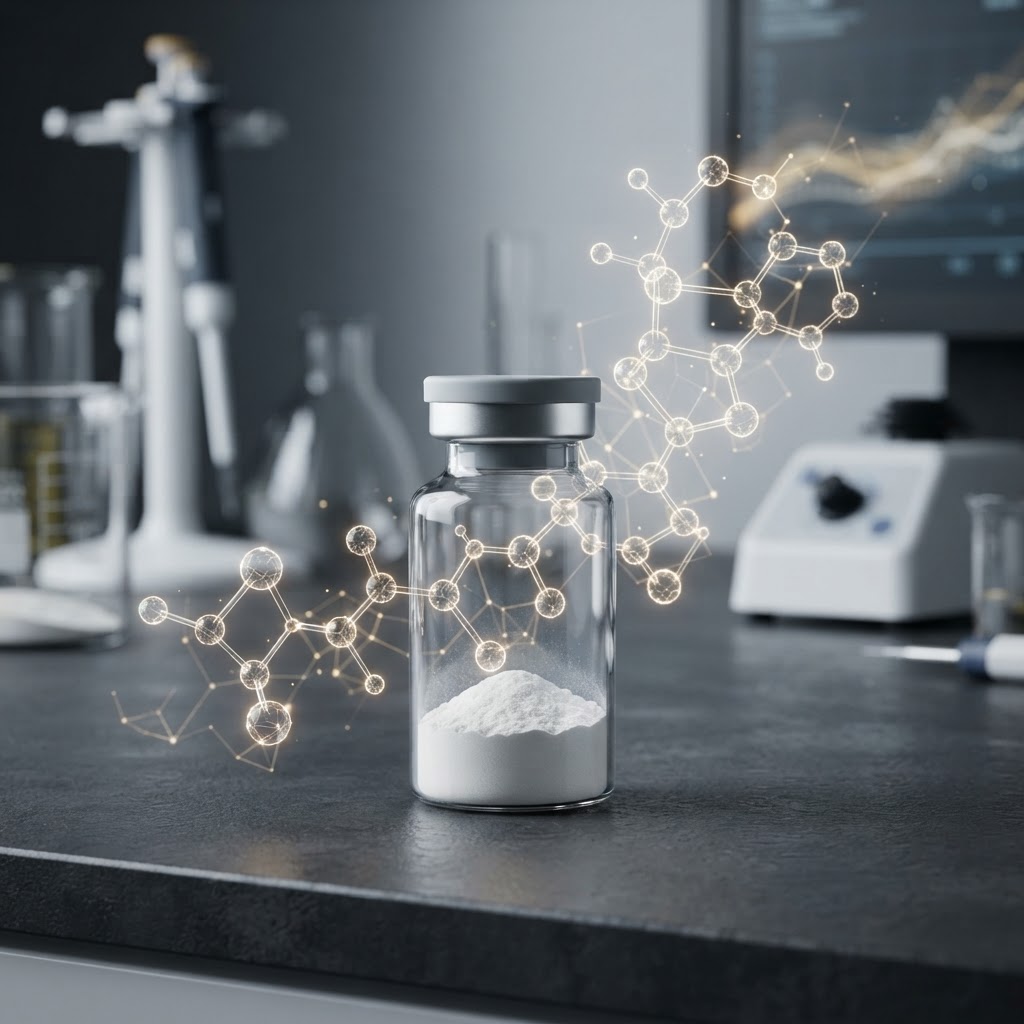
Understanding the Landscape of Research Peptides in Canada
The field of peptide research has expanded significantly, with Canadian laboratories increasingly focusing on the structural and functional properties of synthetic amino acid chains. When sourcing injectable peptides for sale, the primary objective for any legitimate research facility is to ensure the integrity of the compound. In the Canadian context, this means prioritizing suppliers who provide transparent, batch-specific documentation and adhere to rigorous quality control standards.
It is critical to note that all products supplied by Healthy Peps are intended strictly for in vitro laboratory research only and are not intended for human consumption. Researchers must ensure that their procurement processes align with both institutional safety protocols and applicable Canadian regulatory frameworks.
The Importance of Analytical Verification
The market for research peptides is diverse, and not all products are synthesized to the same standard. A common pitfall for new researchers is assuming that a label claim of purity is sufficient. In reality, the gold standard for peptide research involves independent, third-party analytical testing.
HPLC Purity and Mass Spectrometry
High-Performance Liquid Chromatography (HPLC) is the industry standard for measuring the purity of a peptide preparation. A research-grade benchmark of ≥99% HPLC purity is generally expected to ensure that the results of an experiment are not confounded by impurities or degradation products. Furthermore, Mass Spectrometry (MS) is essential to confirm the molecular identity of the compound, ensuring that the substance in the vial is exactly what the researcher intends to study.
- HPLC Purity: Measures the percentage of the target peptide relative to other substances.
- Mass Spectrometry: Confirms the molecular weight and identity of the peptide.
- Batch-Specific COA: A document provided by an independent lab that verifies these metrics for a specific production run.
Comparison of Research Peptide Standards
When evaluating sources for peptide research, researchers should compare the documentation provided by different suppliers. The following table outlines the key differences between high-quality research-grade materials and unverified alternatives.
| Feature | Research-Grade (Healthy Peps) | Unverified Sources |
|---|---|---|
| Purity Testing | Independent HPLC/MS | None or In-house only |
| Documentation | Batch-specific COA | None or generic |
| Manufacturing | Synthetic (SPPS) | Unknown |
| Regulatory Framing | Strictly Research Use Only | Ambiguous or implied human use |
Commonly Studied Peptides in Laboratory Settings
Research into peptide signaling pathways covers a wide range of biological mechanisms. Some of the most frequently studied compounds in Canadian laboratories include:
- BPC-157: Often studied for its role in tissue repair and cellular protection mechanisms.
- Semaglutide: A focus of metabolic research regarding GLP-1 receptor agonism.
- TB-500: Frequently utilized in studies concerning actin-binding and cellular migration.
Each of these compounds requires specific handling and storage conditions to maintain structural fidelity. As peptides are chemically unstable reagents, proper cold-chain management and storage in a controlled laboratory environment are essential to prevent degradation.
Regulatory Context for Canadian Researchers
In Canada, the regulatory environment for peptides is clear: products labeled for research use are not authorized for human or veterinary therapeutic use. Health Canada has emphasized that a "Research Use Only" label does not exempt a product from regulatory oversight. Researchers must operate within their institutional guidelines and ensure that all materials are used exclusively for in vitro or animal research as permitted by their specific ethics board approvals.
When sourcing from a Canadian supplier, researchers benefit from domestic shipping, which reduces the risk of temperature-related degradation during transit. Furthermore, dealing with a local supplier ensures that batch documentation is readily available and that the supplier is accountable to Canadian business standards.
Summary
Sourcing high-quality injectable peptides for sale requires a diligent approach to verification. By prioritizing suppliers who provide independent, third-party COAs and maintain strict research-use-only protocols, Canadian laboratories can ensure the reliability of their experimental data. Always verify the batch-specific testing results before beginning any new study, and maintain rigorous laboratory practices to ensure the safety and integrity of your research.
Frequently Asked Questions
Are research peptides legal to buy in Canada?
Research peptides are sold for laboratory and research use only. They are not approved by Health Canada for human therapeutic use. Researchers must ensure their procurement and use comply with all applicable institutional and federal regulations.
What does a Certificate of Analysis (COA) tell me?
A COA is a document from an independent laboratory that reports the results of quality testing, including HPLC purity and mass spectrometry identity confirmation. It is the primary tool for verifying the quality of a specific batch of peptides.
Why is ≥99% purity important?
High purity is essential to ensure that experimental results are due to the peptide itself rather than contaminants or degradation products. A 99% purity standard is the benchmark for reliable, reproducible laboratory research.
How should I store my research peptides?
Peptides are chemically unstable. They should generally be stored in a cool, dry environment, often in a lyophilized (freeze-dried) state, and kept away from light and moisture to maintain their structural integrity until they are reconstituted for use.
Do you provide medical advice?
No. Healthy Peps is a supplier of research-grade materials. We do not provide medical advice, endorse human use, or make therapeutic claims. All products are strictly for in vitro laboratory research.